34Tr
Medicines · 2 min read · 22 Oct 2026
What a Clinical Trial Phase Actually Tells You
Phase 1, 2, 3: the numbers are everywhere in news, and most readers have no idea what question each one answers.
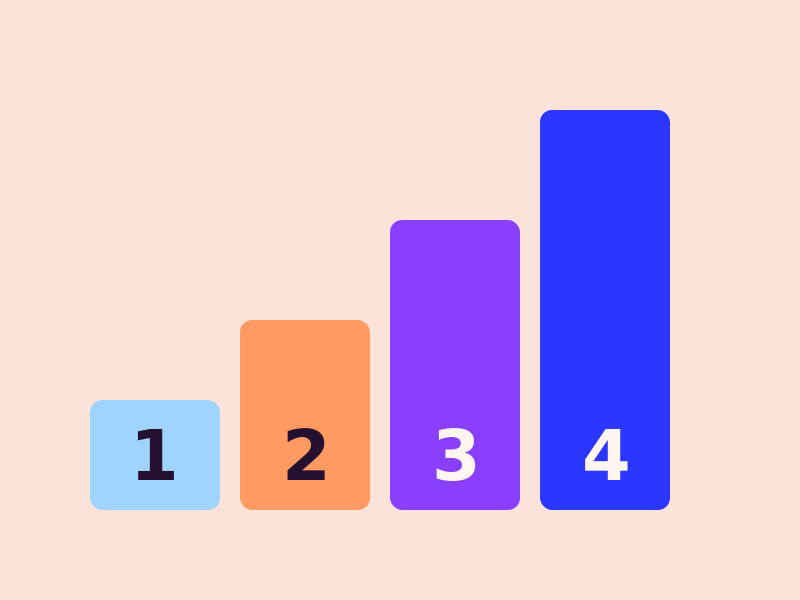
Different phases ask different questions
| Phase | Typical size | Main question |
|---|---|---|
| Preclinical | Cells, animals | Is it worth testing in people at all? |
| Phase 1 | 20 to 100 | Is it tolerated, and how does the body handle it? |
| Phase 2 | Up to several hundred | Does it seem to work, and what dose range? |
| Phase 3 | Hundreds to thousands | Does it beat a comparator on outcomes that matter? |
| Phase 4 | Real-world use | What rare problems appear after approval? |
Reading news with this table
A headline about a "promising phase 1 result" is about safety and exposure, not effectiveness. The FDA estimates that only about a third of drugs move on from phase 2. Positive phase 2 results can also shrink in phase 3, where bigger groups reveal how much was noise.
Details that deserve a second look
- Was there a placebo or active comparator?
- Was the outcome a clinical endpoint (fractures, weight lost) or a marker standing in for one, what the FDA calls a surrogate endpoint?
- How many people dropped out, and why?
Why this matters for peptides
Peptide products sold without approval often cite cell or rodent studies as if they were human proof. A mouse result is a pointer for researchers, not a promise for people.
Sources
- FDA, The Drug Development Process, Step 3 Clinical Research: https://www.fda.gov/patients/drug-development-process/step-3-clinical-research
- FDA, Surrogate Endpoint Resources for Drug and Biologic Development: https://www.fda.gov/drugs/development-resources/surrogate-endpoint-resources-drug-and-biologic-development
Post on X
Educational only, not medical advice. No personal dosing advice, no sellers. See the disclaimer.
Along the table
 Next element · 35 SyBuilding a Peptide One Residue at a TimeSolid-phase synthesis chains residues onto a resin bead, one cycle per letter. The method won a Nobel Prize for good reason.
 Previous element · 33 SwWhy Swallowing a Peptide Usually FailsStomach acid, enzymes and a tight intestinal wall are three separate obstacles. A pill that beats all three is a real engineering feat.
Same family
32Vn The Long Road From Venom to PrescriptionSeveral approved peptide drugs began as molecules evolved to paralyse prey. Here is how a toxin becomes a tool. 21Cj CJC DAC and the Weekly Dosage Question ExplainedWhat the DAC hook does to CJC 1295, what the 2006 volunteer studies measured, and why no weekly schedule has been established.